Building data from six pilot sites now available for use
INBLANC experts have successfully achieved to collect building data from our 6 pilot sites to use them in the project’s workflow. These data are especially valuable as they are not only operational and ready to use, but they will also be applied to feed and test the digital tools and services INBLANC currently develops for the building sector.
Over the past months, our team focused upon demonstrating that datasets across all pilots are available and usable. In particular, we worked on gathering operational data, establishing access mechanisms (such as APIs) and started integrating data into project workflows. As of September 2026, there's been an 83% data availability rate, with 60% of those datasets already showing high integration readiness. Our team also collected historical data and thoroughly mapped the datasets at each pilot site.
Diverse developments across the six pilots contributed to this achievement. Here’s how:
Hazemeijer complex – Dutch pilot
The Hazemeijer pilot site has made significant strides in its commissioning phase, with historical data shared and smart meter data (gas and electricity) available for specific use cases. Key highlights include the completion of smart meter installations, the finalization of scanning activities by DEMO, and the selection of all necessary equipment for the site's use cases. The pilot has established a solid data collection framework with electricity and gas use recorded at 15-minute and 1-hour intervals, respectively.
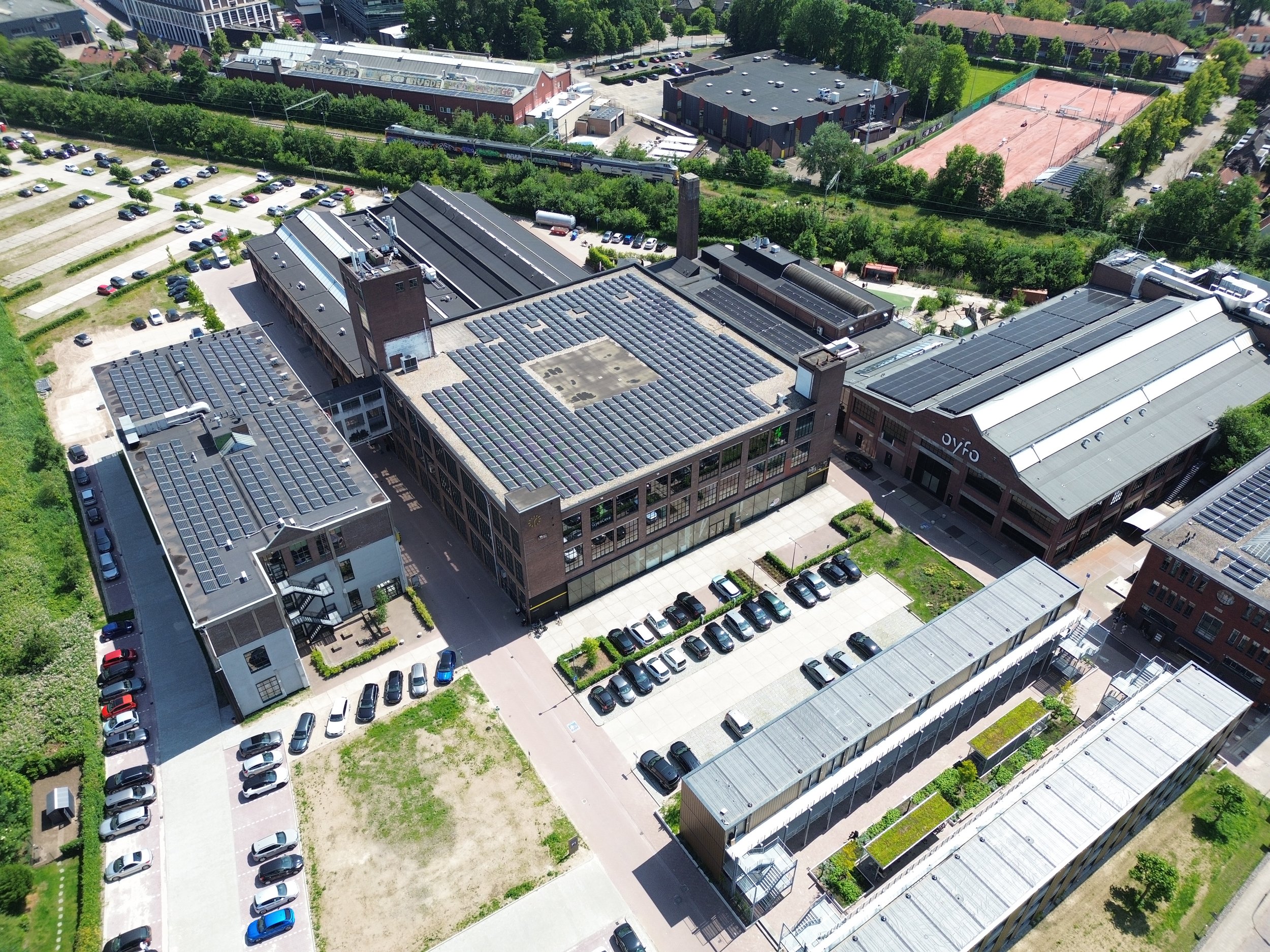
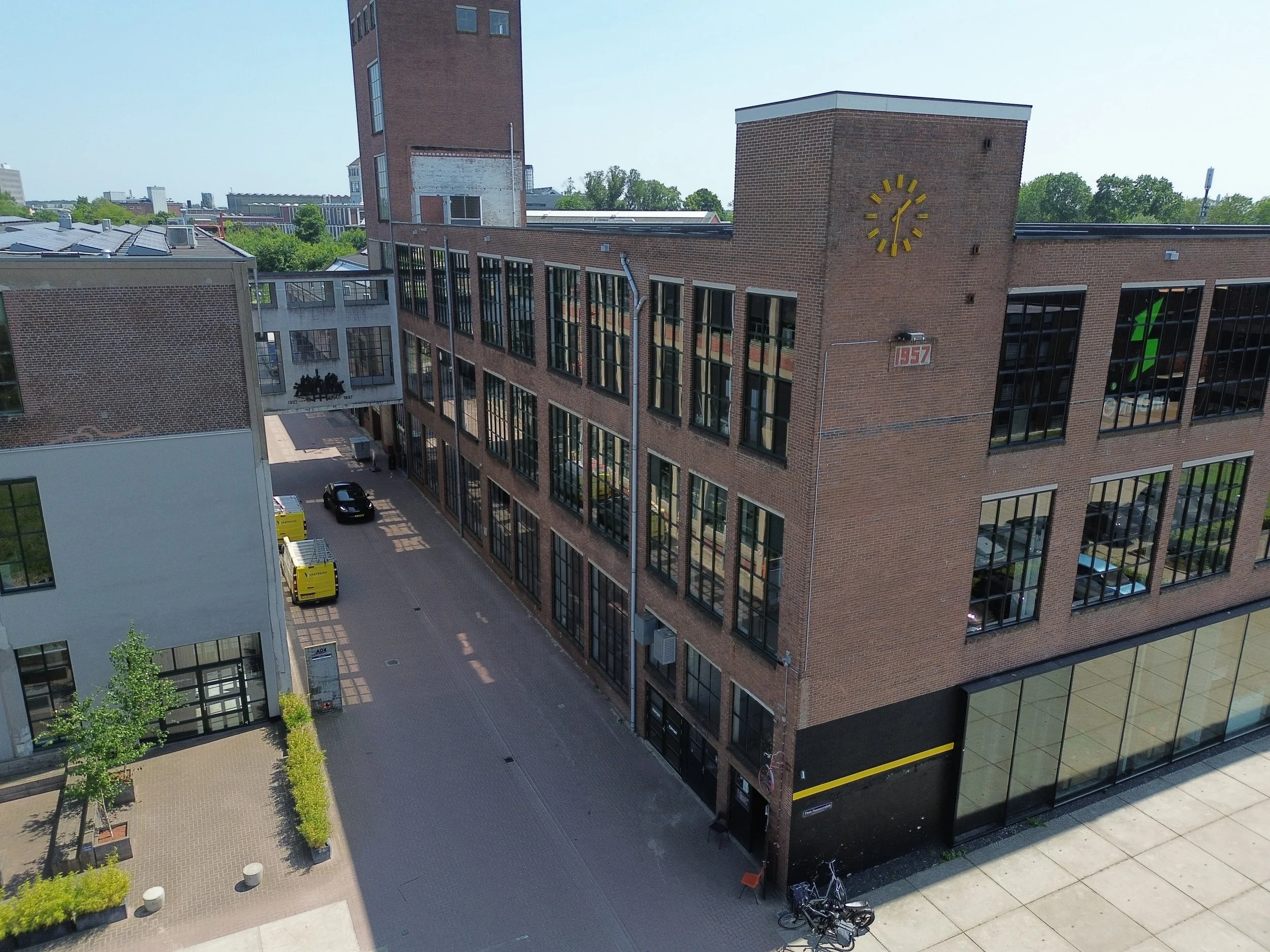
Figure 1: The Hazemeijer complex
Frederick University Campus – Cypriot pilot
The Frederick University (FRC) Campus pilot has achieved full operational data deployment and functionality, with both historical and real-time data available at 10-minute and 1-hour intervals. Key highlights include the installation of IAQ sensors across all four demonstration buildings, along with additional energy metering sensors in the new wing building. Furthermore, the library building now hosts a weather station for external environmental data, while the CyRIC IoT platform serves as the central repository for monitoring and analyzing all sensor activity across the demonstration cases.

Figure 2: The FRC Campus
Joven Futura neighborhood - Spanish pilot
The Joven Futura pilot site has reached key milestones in its commissioning phase, with operational data currently active for six appartments and expansion planned for an additional one. A major success highlight for the site is the installation of environmental sensors and smart meters within the apartments, establishing a solid foundation for data monitoring. Additionally, the pilot has finalized all scanning activities.
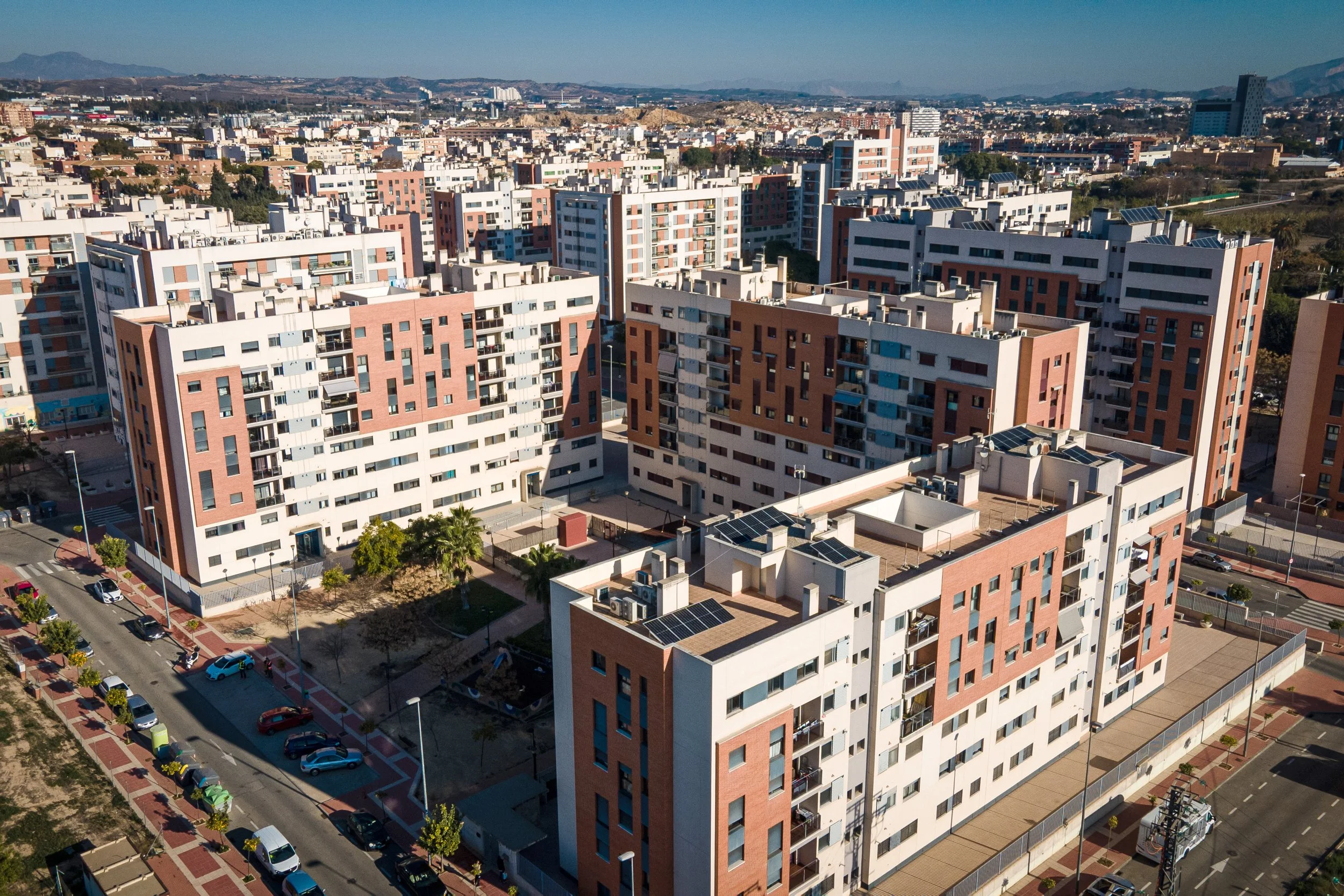
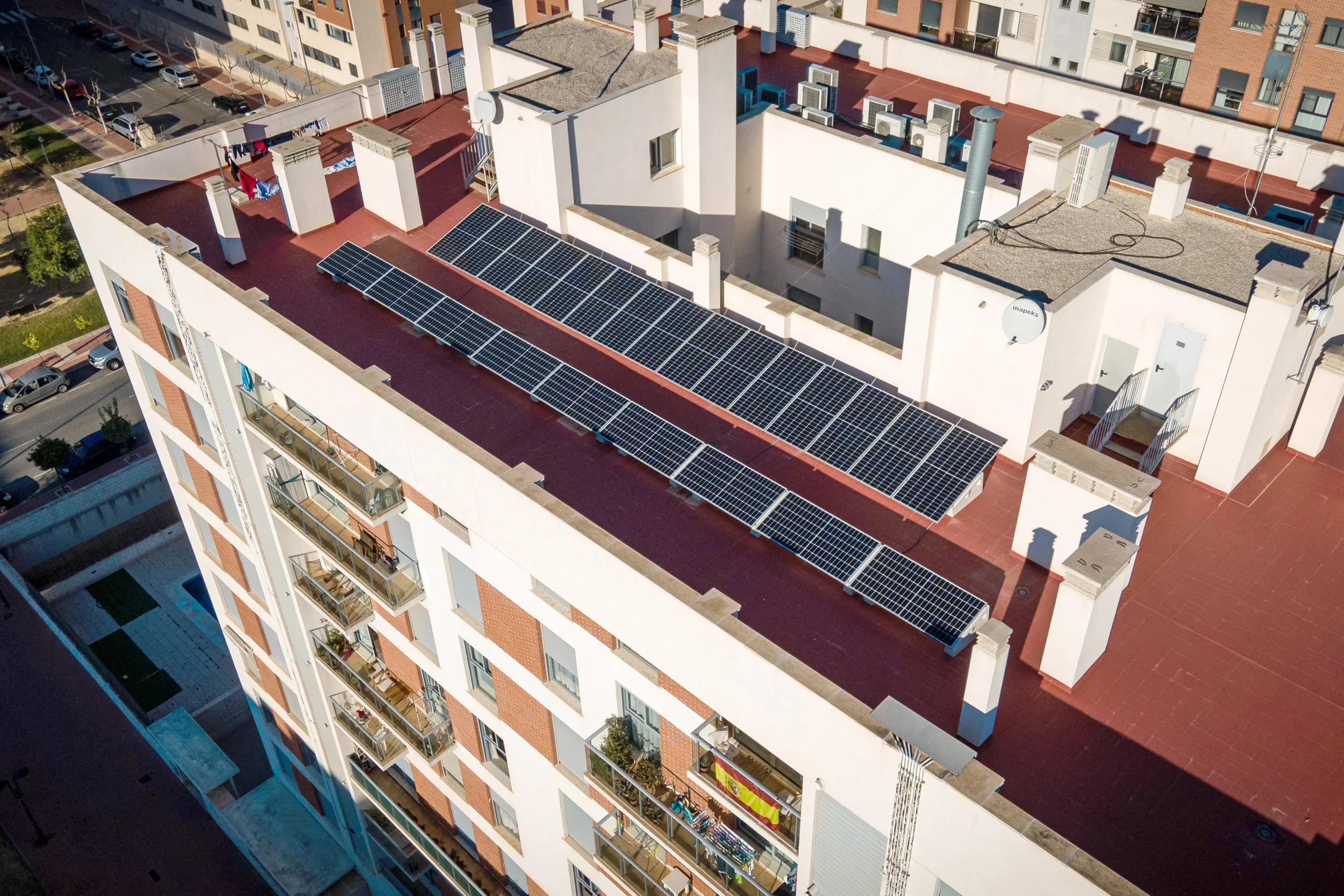
Figure 3: The Joven Futura neighborhood
Municipality of Thessaloniki - Greek pilot
The Thessaloniki municipality pilot site has demonstrated strong progress in its commissioning phase, making cleaned historical electricity and gas datasets, as well as refined hourly local weather data, fully available. A major highlight is the active installation of IoT equipment in collaboration with ZeniΘ (ΖΕΝΙ), with smart meters and IAQ sensors fully operational at the MENT Sports Hall, the 67th Primary School, including the establishment of active live sensor data streams. The pilot has also completed technical collaborations to develop preliminary renovation scenarios and has finalized the complete Data Model technical specifications for both Energy and IAQ systems. The pilot has completed scanning activities as well.
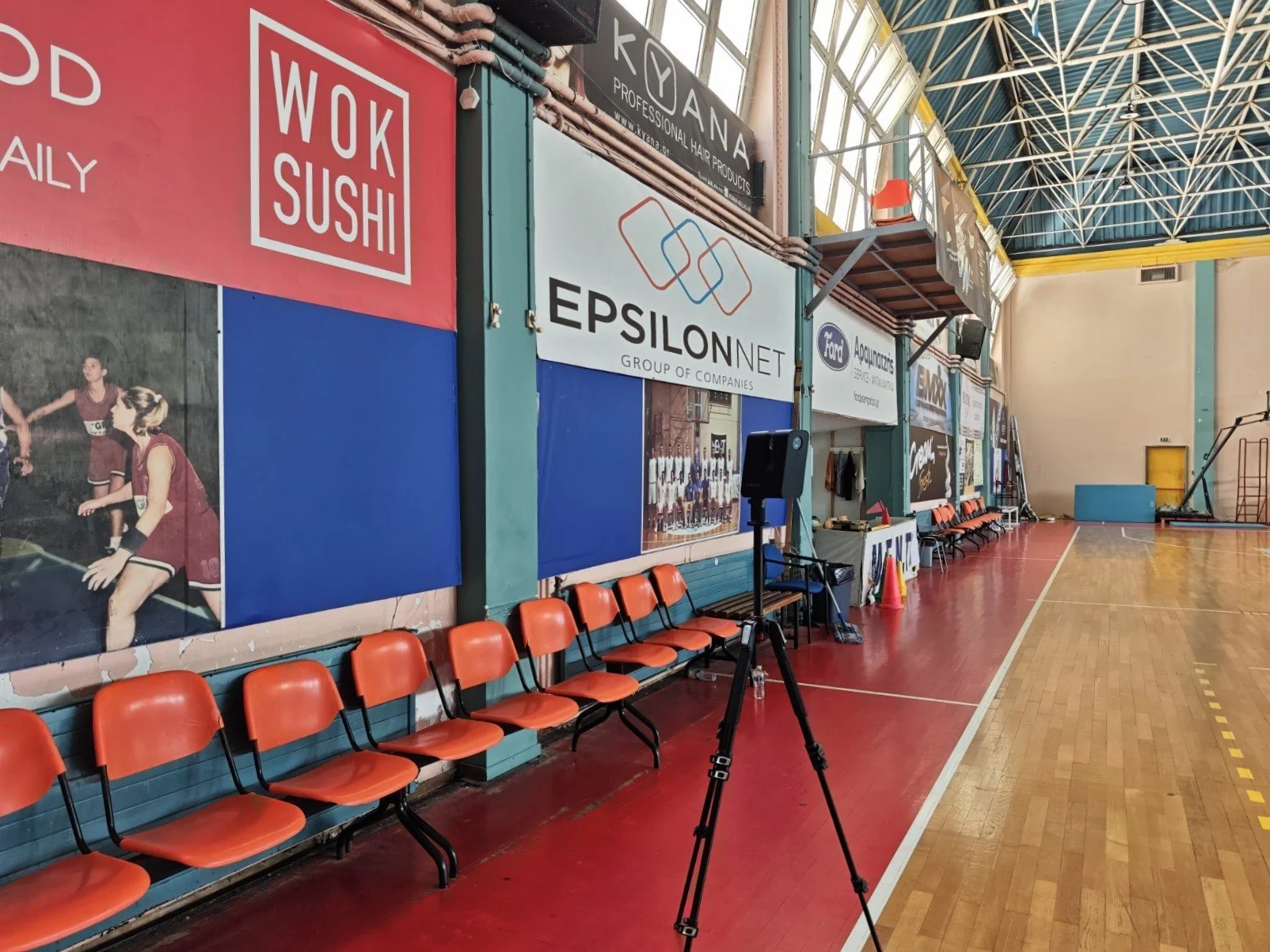
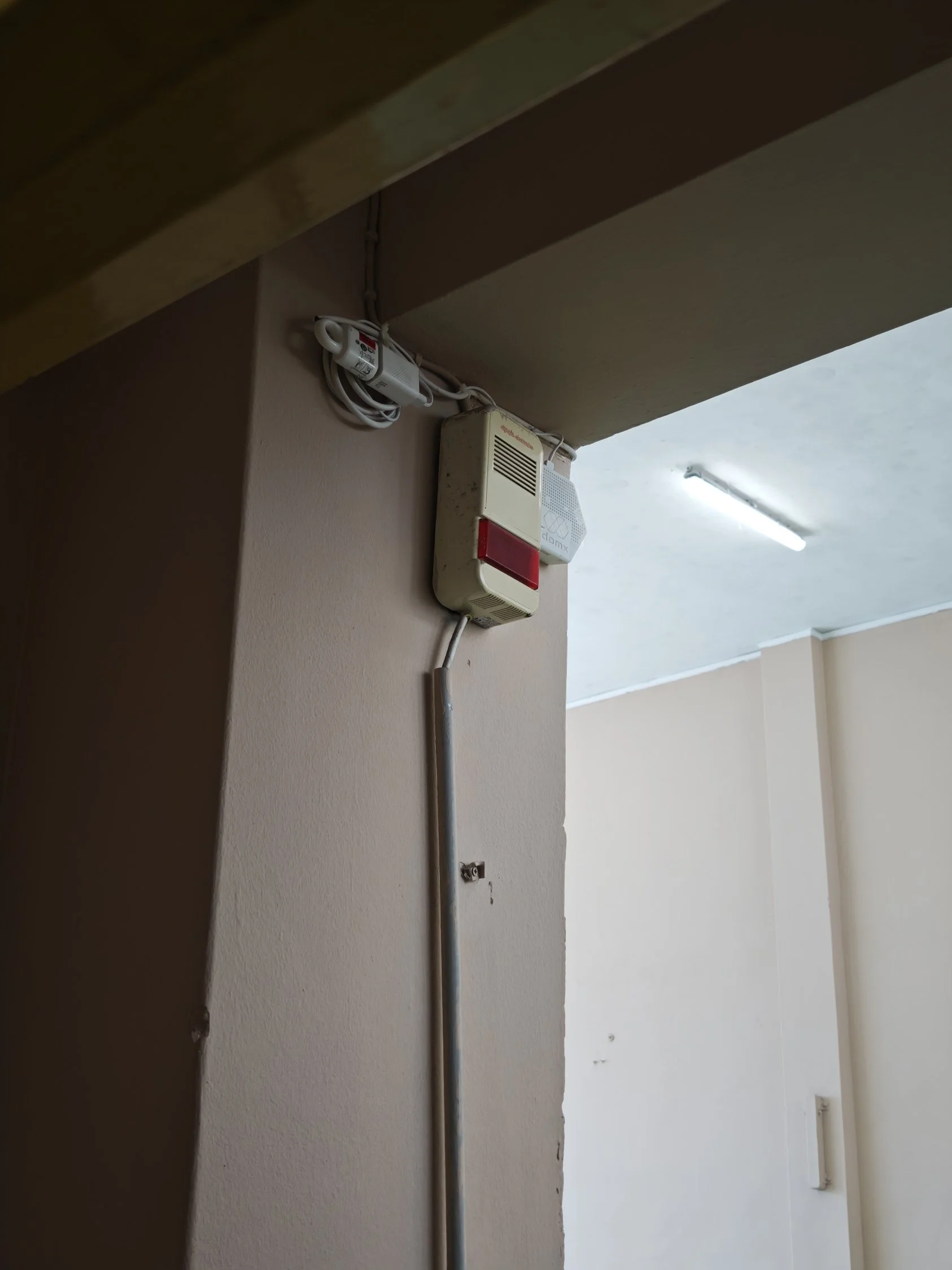
Figure 4: IoT devices and scanning activities at the Municipality's buildings
University Hospitals of Geneva - Swiss pilot
The University Hospitals of Geneva (HUG) pilot has carried out data collection and analysis for IEQ monitoring, has devised building stock renovation roadmaps, and has performed structural health assessments. Major technical highlights include the deployment of sensors monitoring in office spaces and the completion of a structural health monitoring (SHM) campaign using accelerometers. These milestones have resulted in high-value deliverables such as virtual tours and integrated BIM models, while the renovation roadmaps are actively and successfully informing the HUG real estate strategy.
Figure 5: Scanning activities at HUG by R2M
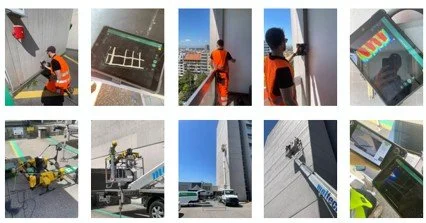
Figure 6: SHM campaign at HUG by ETH.
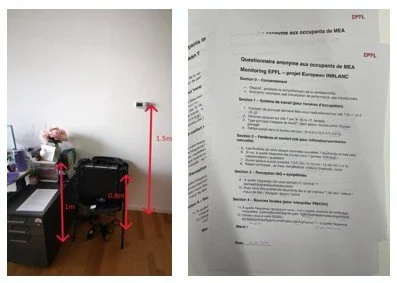
Figure 7: IAQ Monitoring campaign at HUG by EPFL
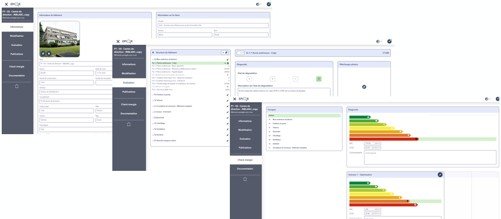
Figure 8: Renovation roadmaps by ESTIA
The city of Aalborg – Danish pilot
The Aalborg pilot site has achieved significant success in its operational data commissioning, particularly with single-family buildings, where a static database of approximately 7,000 buildings is already processed and actively being used for machine learning, renovation planning, and performance gap (PG) detection. Highlights include the comprehensive collection of data from 324 multi-apartment units, providing vital hourly heat and cold-water usage, architectural drawings, and historical meter data from 2021 through 2025 to validate PG causes. The pilot has effectively met its goals by collecting and processing established metering data across both sectors, with the single-family building data ready and the multi-family data nearing completion.
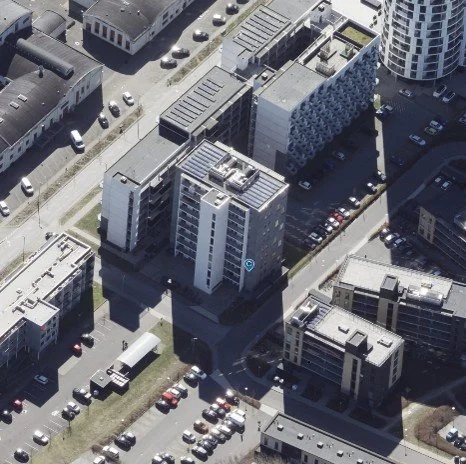
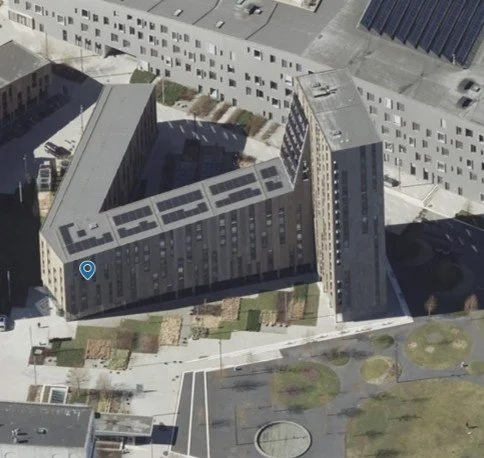
Figure 9: Indicative buildings at the Aalborg pilot site
Data readiness is the engine that drives INBLANC’s core technological innovations. Operational data is now being actively used to fuel analytics and the ongoing development of digital tools and services. The establishment of these robust data streams and verification mechanisms, allows the project team to move beyond the planning phase and validate its smart building solutions with real-world data. This way the final version of the tools delivered by the project will be grounded in accurate, high-frequency operational insights.